

8 most artistic cities in Europe: An art lover’s guide
-
 Nancy
Nancy - Published on Sep 24, 2026
 Nancy
Nancy 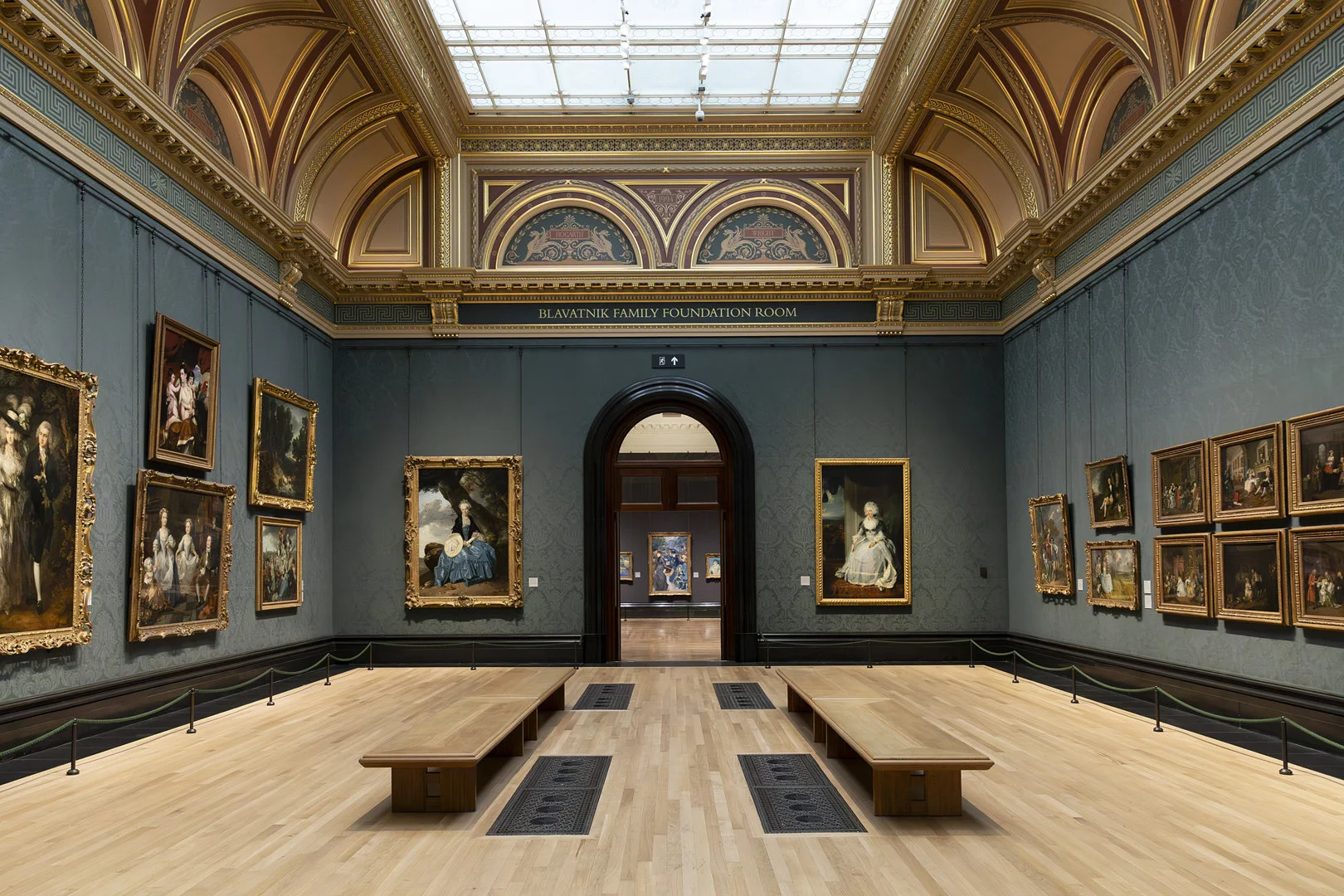
Contents
- 1. Paris – From Impressionism to contemporary art
- 2. Florence – The birthplace of Renaissance art
- 3. Venice – Renaissance masterpieces and the global Biennale stage
- 4. London – Global collections and contemporary galleries
- 5. Vienna – Klimt, the Secession, and imperial collections
- 6. Amsterdam – Dutch masters and intimate museum culture
- 7. Madrid – Spanish masters and the Golden Triangle of Art
- 8. Berlin – Contemporary art and experimental spaces
- How to experience European art cities
- Explore the most artistic cities in Europe with MA Hospitality Group
Art in Europe is not confined to museum walls. It shapes palaces, churches, public squares, architecture, galleries, and neighbourhoods. The most artistic cities in Europe tell that story differently, from Renaissance Florence and Impressionist Paris to Berlin’s experimental contemporary scene. For travellers interested in art travel, Europe offers the opportunity to combine world-class collections with architecture, dining, design, and luxury stays.
1. Paris – From Impressionism to contemporary art
Paris has repeatedly influenced the direction of Western art, from academic painting and Impressionism to the avant-garde movements of the 20th century. The Louvre provides an extraordinary journey through centuries of art, while Musée d’Orsay is particularly important for 19th-century painting, including Impressionist and Post-Impressionist works.
The range of Paris art museums is complemented by contemporary collections, commercial galleries, and major cultural events. Rather than attempting several large institutions in one day, an art-focused stay works better when one major museum is paired with a smaller gallery, architectural visit, or leisurely afternoon around Saint-Germain-des-Prés.
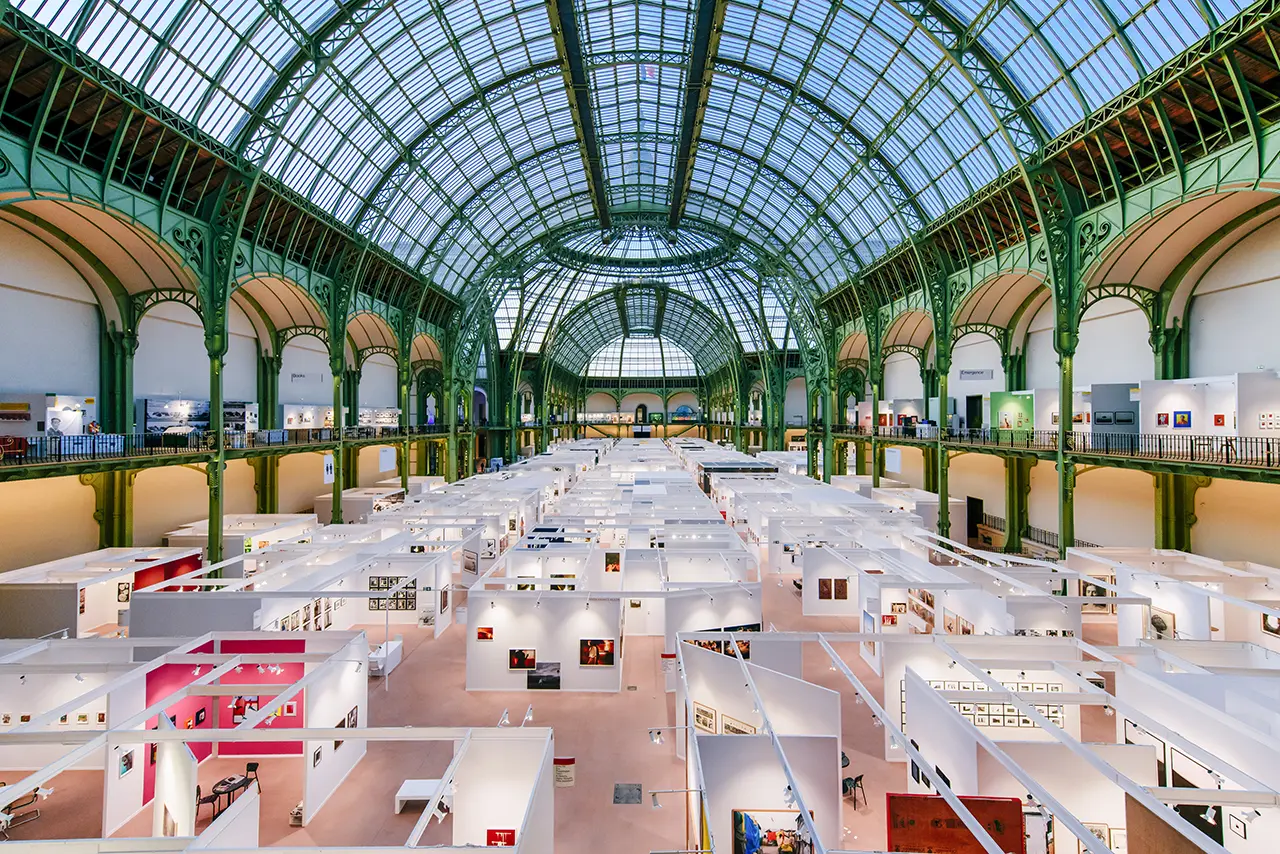
For contemporary collectors and enthusiasts, autumn adds another reason to visit, with Art Basel Paris bringing the international art world to the French capital. The result is a city where historic masterpieces and the current art market remain closely connected.
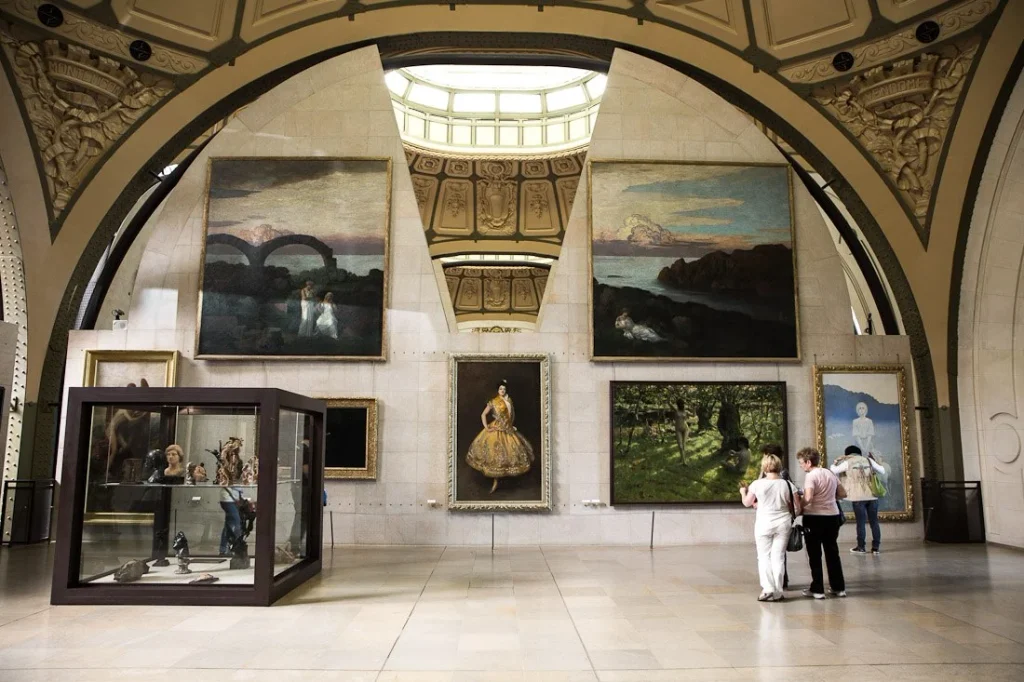
Musée d’Orsay showcases extraordinary Impressionist and Post-Impressionist works.
2. Florence – The birthplace of Renaissance art
The legacy of Florence Renaissance art extends beyond its museums to churches, palaces, piazzas, and public sculpture. The Uffizi traces the period through masters including Leonardo da Vinci, Michelangelo, and Raphael, while the Galleria dell’Accademia is home to Michelangelo’s David.
The artistic experience continues at Palazzo Pitti, the Boboli Gardens, and Piazza della Signoria, where architecture and sculpture make the city itself feel like an open-air extension of its collections.
Florence is particularly suited to travellers who prefer depth over scale. A specialist-led museum visit can be balanced with artisan workshops, Tuscan dining, and time simply observing the architecture rather than moving continuously between attractions.
3. Venice – Renaissance masterpieces and the global Biennale stage
Venice offers a different relationship between art and place. Works by Titian, Tintoretto, Bellini, and Veronese remain closely connected to the churches, palaces, and institutions for which Venetian art became renowned, while the Gallerie dell’Accademia provides a deeper introduction to the city’s artistic history.
The Venice art museums also move well beyond the Renaissance. The Peggy Guggenheim Collection is one of Italy’s most important collections of 20th-century European and American art, while Palazzo Grassi and Punta della Dogana add a strong contemporary dimension.
In Biennale years, that dialogue between past and present becomes particularly visible. The Biennale Arte 2026 runs from 9 May to 22 November, with exhibitions across the Giardini, Arsenale, and other venues. A private boat transfer, specialist-led art visit, and Grand Canal hotel can turn the wider city into part of the cultural experience.
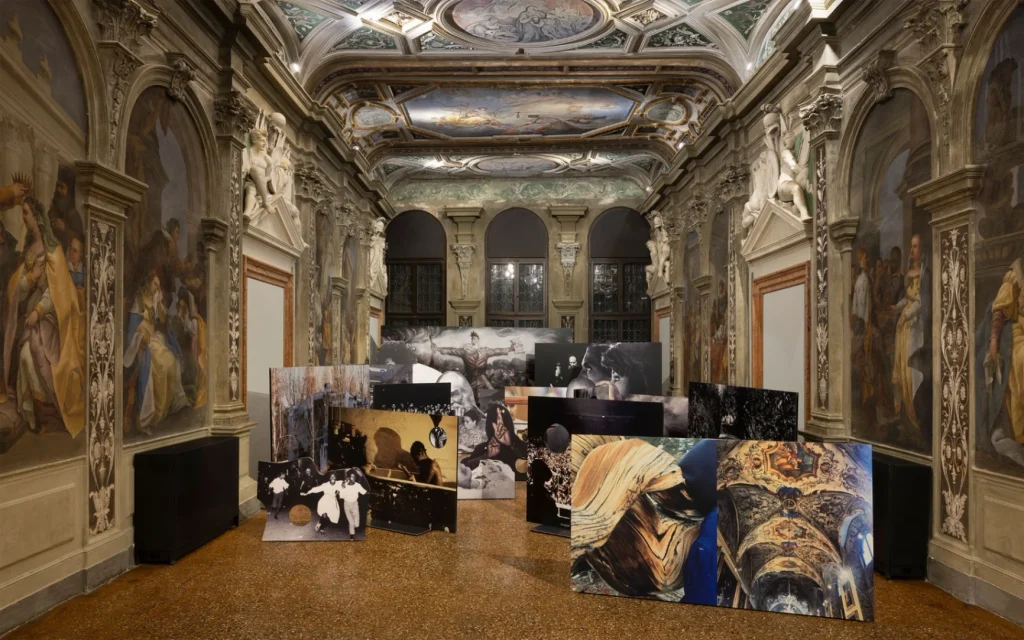
Renaissance masterpieces and Biennale Arte exhibitions are associated closely with Venice.
4. London – Global collections and contemporary galleries
London’s artistic strength lies in its range. The National Gallery spans Western European painting, while Tate Britain and Tate Modern cover British, modern, and contemporary art. The Victoria and Albert Museum adds design, fashion, decorative arts, and photography to an already broad cultural landscape.
Art galleries in London stretch from established Mayfair names to contemporary spaces, allowing collectors and curious visitors to move between museum collections and work being produced today.
October is particularly significant for contemporary art. Frieze London 2026 will bring galleries and living artists from around the world to Regent’s Park, alongside Frieze Masters. For an art-focused luxury stay, Mayfair provides convenient access to galleries, auction houses, dining, and several five-star hotels.
5. Vienna – Klimt, the Secession, and imperial collections
Vienna combines Habsburg collections with the radical spirit of Viennese Modernism, from the Kunsthistorisches Museum to the Secession, Belvedere, and Leopold Museum.
Among Vienna art museums, the Belvedere is particularly important for Gustav Klimt. Its collection includes 24 of his paintings, including The Kiss, alongside works by Egon Schiele and Oskar Kokoschka. Klimt can also be followed through institutions including the Secession and Leopold Museum.
Vienna also lends itself naturally to a wider cultural itinerary. A museum afternoon can lead into classical music, historic cafés, or dinner at a grand hotel, making visual art one element of a city break shaped by several artistic traditions.
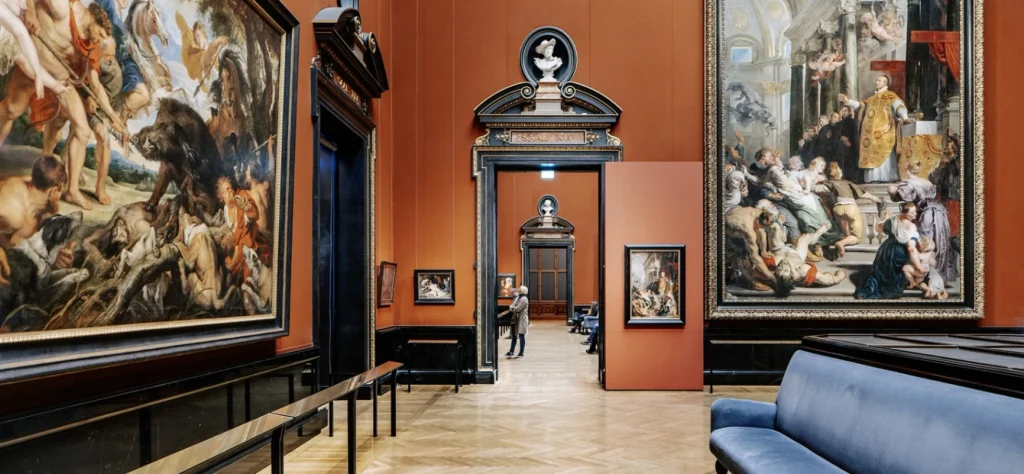
Vienna combines historic Habsburg collections with Viennese Modernism’s spirit.
6. Amsterdam – Dutch masters and intimate museum culture
Amsterdam makes it possible to experience several major periods of art within a compact area. The Museumplein brings together the Rijksmuseum, Van Gogh Museum, and Stedelijk Museum, allowing visitors to move from Dutch masters to Van Gogh and modern art without crossing the entire city.
The Rijksmuseum is central to any exploration of Amsterdam art museums, with works by Rembrandt, Vermeer, Frans Hals, and Jan Steen among more than 8,000 objects on display. Its collection includes The Night Watch and The Milkmaid, giving visitors a particularly strong introduction to the Dutch Golden Age.
Amsterdam’s scale is part of its appeal for best European cities for art lovers. Museum visits can be interspersed with canal journeys, architecture, shopping, and dining, creating a cultural itinerary that feels less demanding than those in larger capitals.
7. Madrid – Spanish masters and the Golden Triangle of Art
Madrid concentrates an exceptional range of collections within a relatively small area. The Prado, Reina Sofía, and Thyssen-Bornemisza form the celebrated Paseo del Arte, allowing visitors to move from Old Masters and Spanish court painting to the avant-garde and modern European art.
The art museums in Madrid tell particularly powerful stories through individual artists. Velázquez and Goya are central to the Prado, Picasso’s Guernica anchors the Reina Sofía’s modern collection, and the Thyssen adds a chronological sweep across European art that helps connect the two.
For a more relaxed stay, spread the three major museums across several days and use the surrounding Retiro and Salamanca districts for dining, shopping, and time outdoors. Madrid rewards travellers who resist turning its concentrated collections into a museum marathon.
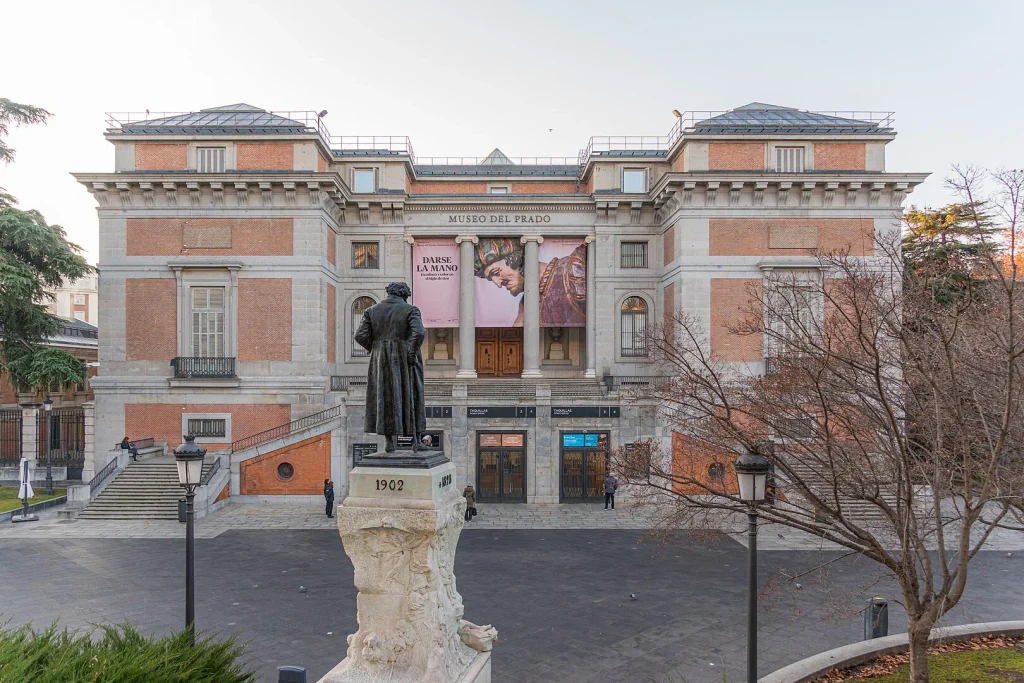
Madrid’s Golden Triangle of Art
8. Berlin – Contemporary art and experimental spaces
Berlin’s artistic identity is shaped as much by what is happening now as by what survives from the past. Museum Island provides the historic foundation, but the city’s contemporary character is better experienced through institutions such as Hamburger Bahnhof, Neue Nationalgalerie, private collections, and independent spaces.
Hamburger Bahnhof’s current collection presentation, A Thousand Times Berlin, examines the city’s art scene in global dialogue from 1989 to the present through more than 70 works by over 50 artists. It captures the relationship between contemporary art, migration, subculture, and Berlin’s changing identity.
Exploring Berlin art galleries can therefore feel less formal than following a traditional museum itinerary. Design-led hotels, architecture tours, private collections, and galleries in unconventional spaces make Berlin particularly appealing to travellers interested in contemporary practice.
How to experience European art cities
The strongest European art cities reward slower travel. Rather than visiting three major museums in one day, choose one significant collection and complement it with an architecture walk, artist studio, or neighbourhood where the artistic history can be experienced beyond the institution itself.
For travellers comparing art museums in Europe, location also matters. A hotel close to a cultural district can make it easier to return between visits, while expert-led tours, gallery appointments, and well-timed restaurant reservations can turn individual attractions into a more coherent cultural journey.
Explore the most artistic cities in Europe with MA Hospitality Group
The most artistic cities in Europe offer very different reasons to travel, whether your interests lie in Renaissance Florence, Dutch masters in Amsterdam, contemporary galleries in London and Berlin, or the evolving art scene of Paris and Venice.
MA Hospitality Group can assist with luxury accommodation, private transportation, dining arrangements, and selected cultural experiences. From a focused art weekend to a multi-city European itinerary, contact us to create a tailored art journey for you.